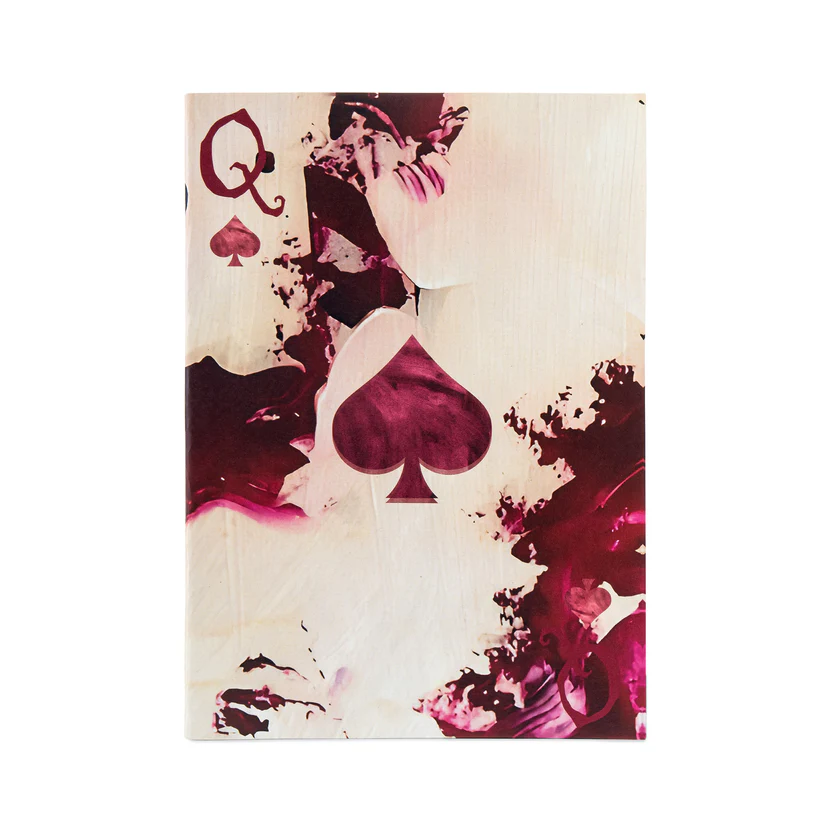
A scattered mind produces scattered notes, and scattered notes lead to missed ideas and lost details. The tools used for capturing thoughts matter far more than people realize until they experience the difference firsthand. Writing in a notebook that feels right creates a sense of calm, order, and clarity that digital screens rarely manage to deliver.
Every line, every page, and every pen stroke becomes more intentional and purposeful. Using the best notebooks for note taking is one of the simplest ways to sharpen focus and improve daily output.
The ruled page that keeps thoughts organized:
A well ruled page does quiet but powerful work every time a pen meets the paper. Clean, evenly spaced lines guide the hand and keep writing neat without demanding any extra effort or thought. Notes taken on ruled pages are easier to read back, easier to follow, and far less likely to dissolve into a mess of overlapping thoughts and cramped words.
The paper thickness that removes distraction:
Thin paper is a constant source of frustration for anyone who takes notes seriously. Ink bleeds through, shadows from the previous page show, and the whole experience feels flimsy and unreliable. Thick, quality paper removes all of that distraction in one step. The pen glides smoothly, the ink stays exactly where it lands, and the writer can focus entirely on the ideas being captured rather than the surface they are writing on.
A strong, well-made cover:
A notebook with a strong, well made cover does something subtle but effective every time it is opened. It creates a small but meaningful ritual that signals to the brain that focused work is beginning. Professionals and students alike find that a notebook they are genuinely proud of is one they return to consistently. Pride in the tool builds a habit of using it, and that habit builds better focus over time.
The layout that matches your personal note taking style:
Different people take notes in very different ways, and the right layout makes a real difference in how effectively those notes are captured and used. Some writers prefer wide ruled lines with generous spacing for large, flowing handwriting. Others work better with narrow ruling that fits more content onto each page. Dotted layouts offer a middle ground that suits both structured notes and free form thinking without either feeling restricted or out of place on the page.